
Live since October 2026
Novelón TV: an AI telenovela studio of one
AI-made fruit soap operas were going viral on TikTok and Reels. I saw an opportunity to do it properly: a serialized Spanish-language telenovela with real continuity, made each week by a production workflow built on AI tools for writing, video, voice, editing and social media.
- Started
- October 2026
- Built with
- Claude Code · Veo 3.1 · Nano Banana Pro · ElevenLabs · FFmpeg · Cloudflare R2 · Buffer · Meta's Muse
Slammed doors, gasps, smash zooms and swelling boleros, with fruit for heads. Novelón TV makes frutinovelas: big-production Mexican telenovelas, played completely straight, where every character happens to be fruit-headed.
The trend, and the opportunity
In the fall of 2026, AI-generated fruit soap operas were all over TikTok and Instagram Reels. They were funny and they got enormous views. They were also mostly one-off clips: random characters, no continuity, nothing to come back for next week.
I grew up with telenovelas in Mexico, and I saw two opportunities at once:
- A better product. A real serialized story with a cast you recognize from episode to episode, cliffhangers, and an audience that votes on what happens next.
- A better process. Could one person, with a day job, build a repeatable weekly production line out of today's AI tools, and keep quality, cost and brand safety under control?
The show
Herencia de Reyes. On the morning of her 70th birthday, Doña Piña, queen of Panadería La Corona on a Mexico City barrio corner, announces she'll name her heir on Día de Reyes. That night a stranger arrives in the rain carrying the twin of a gold medal she hasn't taken off in forty years.
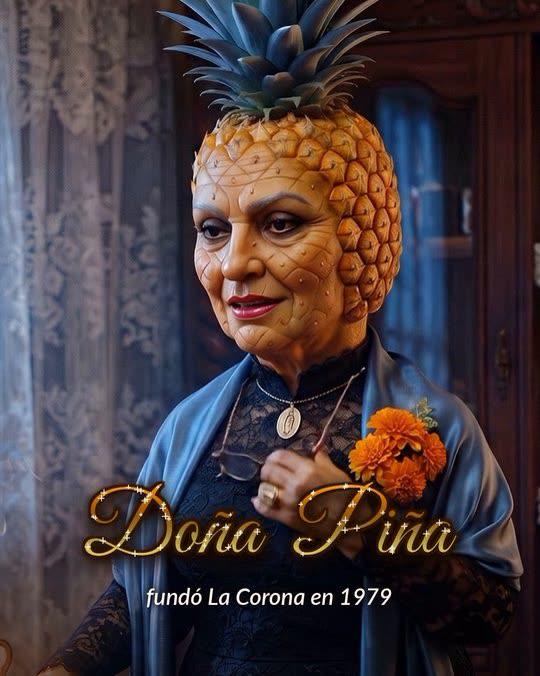

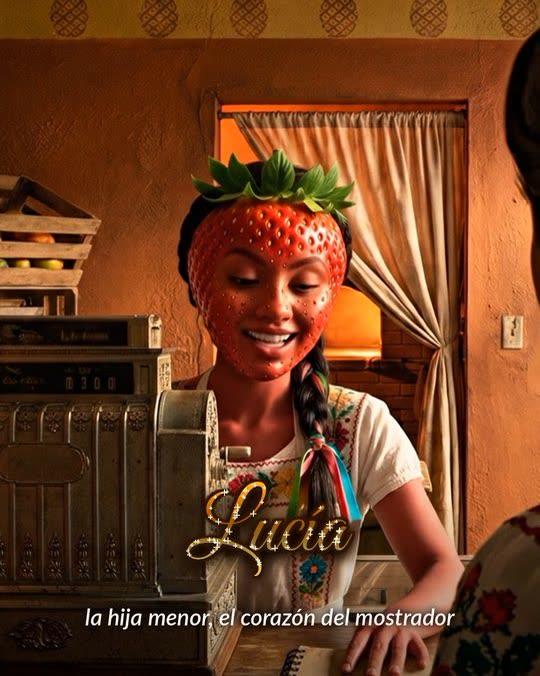
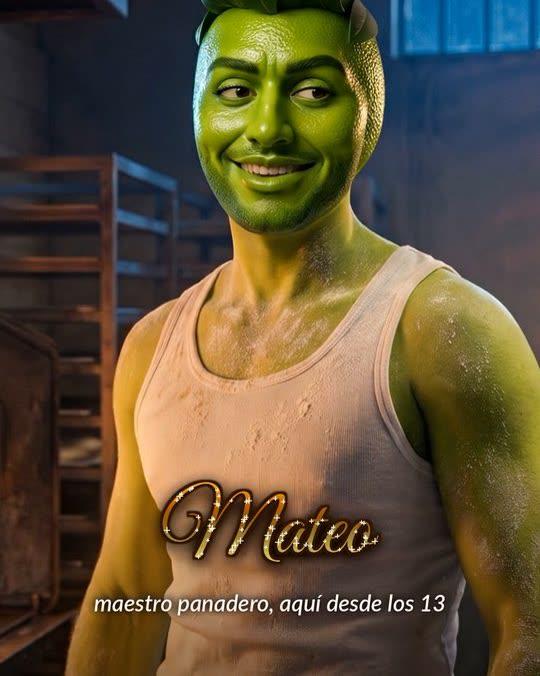

Episodes run about two minutes, vertical, in Spanish with burned-in captions, and premiere every Friday on TikTok, YouTube, Instagram, Facebook and X.
The production line
Every episode moves through the same loop. AI does the heavy lifting at each stage; I approve at the gates.
- Writers' roomClaude CodeOutline and script from a locked series bible, then a review by four reviewer personas, each with a different point of view.
- Script approvalMe
✋ Nothing is generated until I approve the script.
- Shot listClaude CodeEvery shot is six seconds or less, with one action and at most two characters in frame. Prompts are assembled only from the bible, so characters don't drift.
- Shot-list approvalMe
✋ I approve the shot list and its cost estimate before any spend.
- KeyframesNano Banana ProA still for each shot, built from character and location reference sheets. It's the cheap place to catch mistakes.
- VideoVeo 3.1Image-to-video with native sound, one take by default.
- VoicesElevenLabsEach character has a locked voice, so Doña Piña sounds like Doña Piña in every episode.
- EditFFmpeg, scriptedAssembly, captions, music, loudness and a pacing check that flags any stretch without a dramatic beat.
- Final approvalMe
✋ I watch every cut on my phone before it's approved.
- DistributionBuffer + MuseA scheduled cloud job posts to TikTok, YouTube and X; Meta's Muse posts natively to Instagram and Facebook. Media is archived once in Cloudflare R2.
The guardrails I designed in
The tools are impressive. The hard part is everything around them, and that's where my product and payments background did the most work.
Spend controls, like a card program
A locked spec, with versions
Human editorial on every episode
Automation will happily publish the wrong thing on time
What I learned
- AI video is cheap per second and expensive per kept shot. The real cost is in rerolls, so the process is designed to catch problems at the cheapest stage.
- Continuity is the hard problem. Two characters per shot, reference sheets and locked voices did more for quality than any newer model.
- Pace beats polish on vertical video. A dramatic beat every few seconds keeps people watching. Slower cuts are saved for a future marathon edit.
- The workflow is the product. The show is the proof, but the repeatable production line is what transfers to any content business.